
Partnerships · Referral Hospital Network
Connecting Patients to Specialized Gene Therapy Care
Building a trusted network of hospitals and hematology teams to support appropriate patient identification, clinical evaluation, cross-institutional coordination, and long-term care for transfusion-dependent β-thalassemia.
Clinical and regulatory status: RM-001 is investigational and is not approved for routine commercial use. Referral discussions do not constitute an offer of treatment or guarantee study participation. Any clinical-trial referrals must follow the current approved protocol, site procedures, and applicable regulations.
Why a referral network matters
Extending specialist access beyond individual treatment centers
People living with transfusion-dependent β-thalassemia may receive lifelong care at hospitals that do not themselves provide advanced stem-cell transplantation or gene therapy. Nouvogenes aims to connect these clinical teams with qualified specialist centers through a structured, medically led referral network.
Continuity, not simply transfer
Referring hospitals remain important clinical partners. They understand each patient's transfusion history, iron burden, complications, family circumstances, and ongoing care needs. A referral pathway should preserve this expertise before, during, and after specialist evaluation.
Our intended approach combines local hematology relationships with coordinated evaluation by authorized specialist teams, clear communication, and long-term follow-up planning.
Our network priorities
Patient-centered: informed choice and appropriate clinical assessment.
Physician-led: decisions based on medical criteria, not referral volume.
Collaborative: ongoing roles for referring and treatment hospitals.
Scalable: a consistent framework for Thailand and selected international locations.
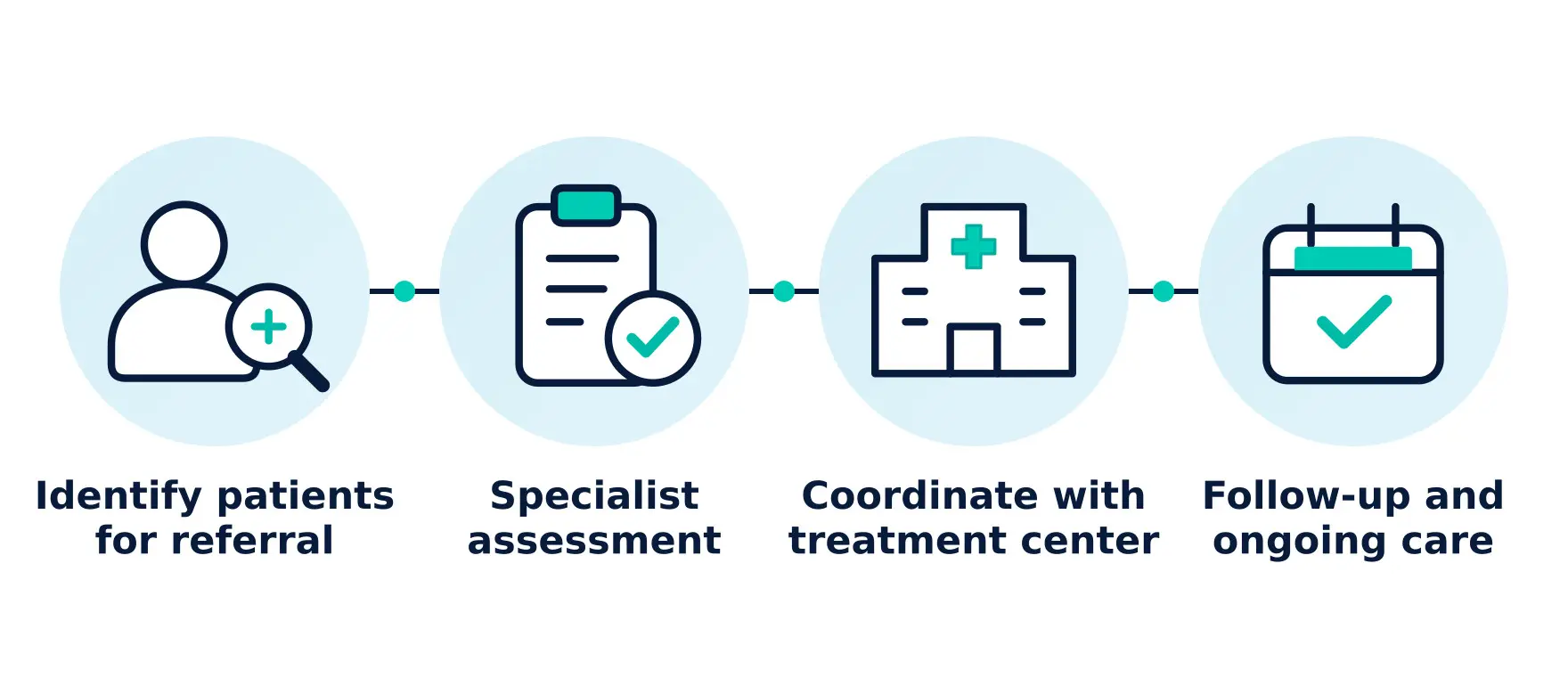
The partnership model
What a referral hospital partnership could involve
The precise scope would be agreed with each institution and adapted to its clinical capabilities, policies, and local requirements.
01 · Awareness
Clinical education
Exchange scientific and clinical information about RM-001, its investigational status, the evolving evidence base, and the requirements of specialist evaluation.
02 · Identification
Potential patient recognition
Identify patients with transfusion-dependent β-thalassemia who may benefit from a discussion with an authorized specialist team, without presuming eligibility.
03 · Assessment
Coordinated clinical review
Where appropriate and permitted, support transfer of relevant medical history and test results through secure, consent-based processes for specialist assessment.
04 · Financial or Payor Eligibility
Funding and coverage assessment
Where applicable, help patients and families understand potential funding pathways and coordinate assessment of payor, insurance, or financial-support eligibility. Financial eligibility is distinct from clinical eligibility; coverage or assistance is not guaranteed, and participation in an approved clinical trial is governed by its protocol and applicable requirements.
05 · Planning
Patient and family coordination
Help patients understand the possible care pathway, travel and caregiver considerations, and the need for comprehensive specialist counseling.
06 · Treatment
Specialist-center responsibilities
Any study treatment, conditioning, infusion, and acute transplant care must be performed by appropriately authorized teams and facilities.
07 · Follow-up
Shared long-term care
Coordinate ongoing hematology care and protocol-required surveillance, with defined responsibilities for the referring and specialist teams.
Who we hope to work with
Hospitals caring for people with transfusion-dependent thalassemia
We welcome dialogue with institutions that manage significant thalassemia populations and share a commitment to responsible access to advanced therapies.
Potential referral partners
Public and private hospitals, university hematology departments, pediatric and adult thalassemia clinics, transfusion services, and regional specialist networks may each contribute different capabilities.
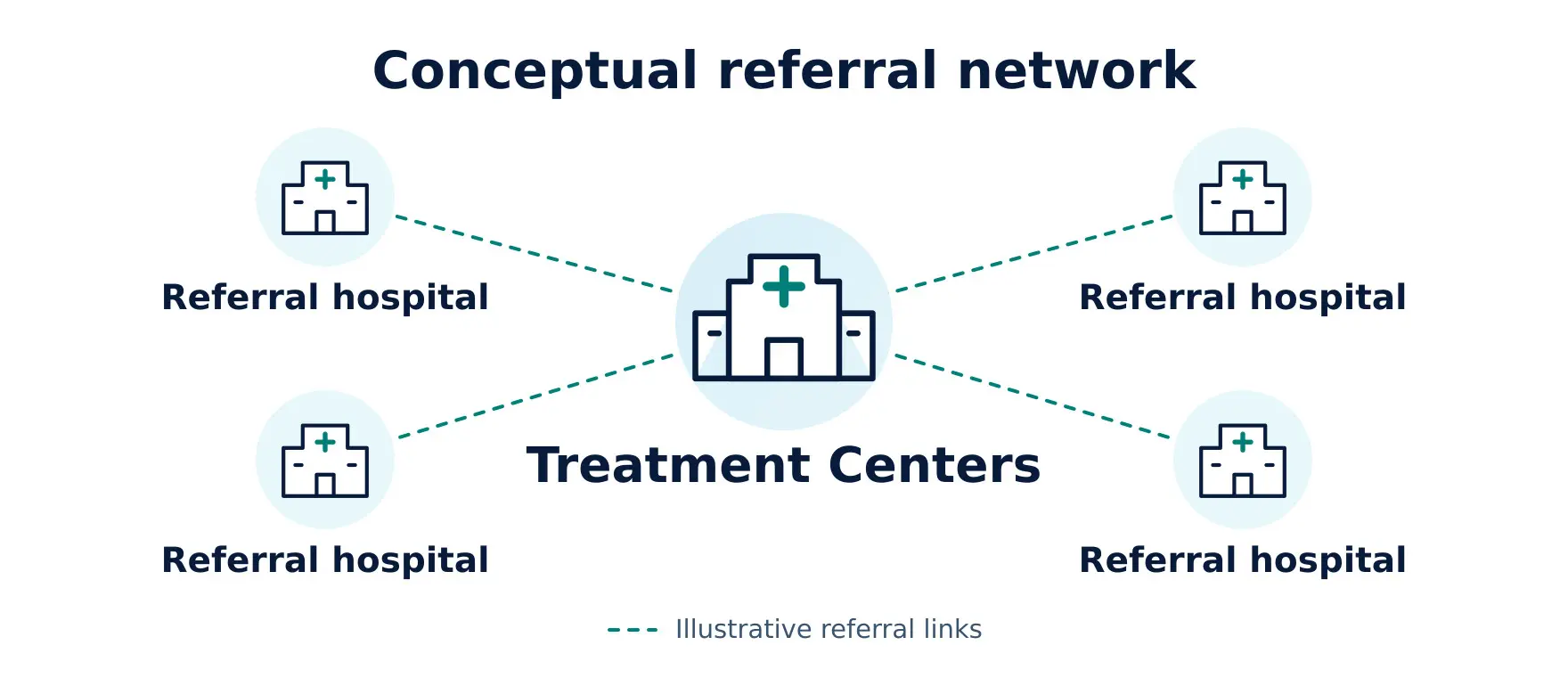
Partners do not need to operate a bone marrow transplantation program to participate in a referral network. Hospitals with transplantation capability may also explore a separate treatment-center relationship.
Partnership considerations
Relevant clinical expertise and patient population; institutional commitment; appropriate patient consent and data governance; designated clinical contacts; capacity for longitudinal follow-up; and alignment with applicable ethics, referral, and regulatory rules.
Participation would be subject to institutional review and mutually agreed arrangements.
Thailand and regional collaboration
A locally grounded network with regional potential
Thailand is the starting point for Nouvogenes' clinical development and partner engagement. Over time, the company intends to explore referral relationships in selected neighboring and international markets where transfusion-dependent β-thalassemia represents a substantial clinical burden.
Domestic relationships
Engagement with hospitals across Thailand can support clinical education, patient identification, and coordination with specialist teams. Any future treatment access would depend on regulatory status, site qualification, and clinical appropriateness.
Cross-border relationships
International partnerships require additional attention to medical travel, clinical records, language, continuity of care, patient consent, national rules, and any future import or cross-border treatment requirements. No cross-border treatment availability is implied.
Clinical governance
Clear roles and responsible referral practices
Patient welfare and independent medical judgment are central to every proposed collaboration.
Eligibility is a specialist decision
Referral does not establish trial eligibility. Only authorized clinical teams can assess eligibility against the applicable approved protocol and decide on participation.
Privacy and informed consent
Patient information should be shared only with appropriate authorization, secure processes, and compliance with relevant privacy and institutional requirements.
Transparent arrangements
Institutional agreements should define responsibilities, communication, follow-up, and compliance safeguards. Clinical recommendations must not be influenced by inappropriate financial incentives.
Become a network partner
Start with a clinical and institutional conversation
Nouvogenes is interested in connecting with hematology leaders, hospital administrators, and clinical teams seeking to understand the potential role of advanced gene therapy in thalassemia care.
A practical first discussion
We would explore the institution's thalassemia services, clinical interests, potential referral workflow, patient-support considerations, and whether a formal partnership merits further assessment.
Any operational arrangement would be developed through appropriate clinical, legal, and institutional review.
Two ways to collaborate
Referral hospital: Support identification, evaluation coordination, and continuity of care.
Treatment center: Explore the specialist transplant and institutional capabilities needed for a separate treatment-center partnership.
Partnerships
Building a connected future for thalassemia care
Our goal is to establish medically responsible, long-term relationships between the hospitals patients already trust and the specialist teams that may deliver advanced therapies in the future.